Emergency electrical triage in Chicago: what counts, who to call, what to do now
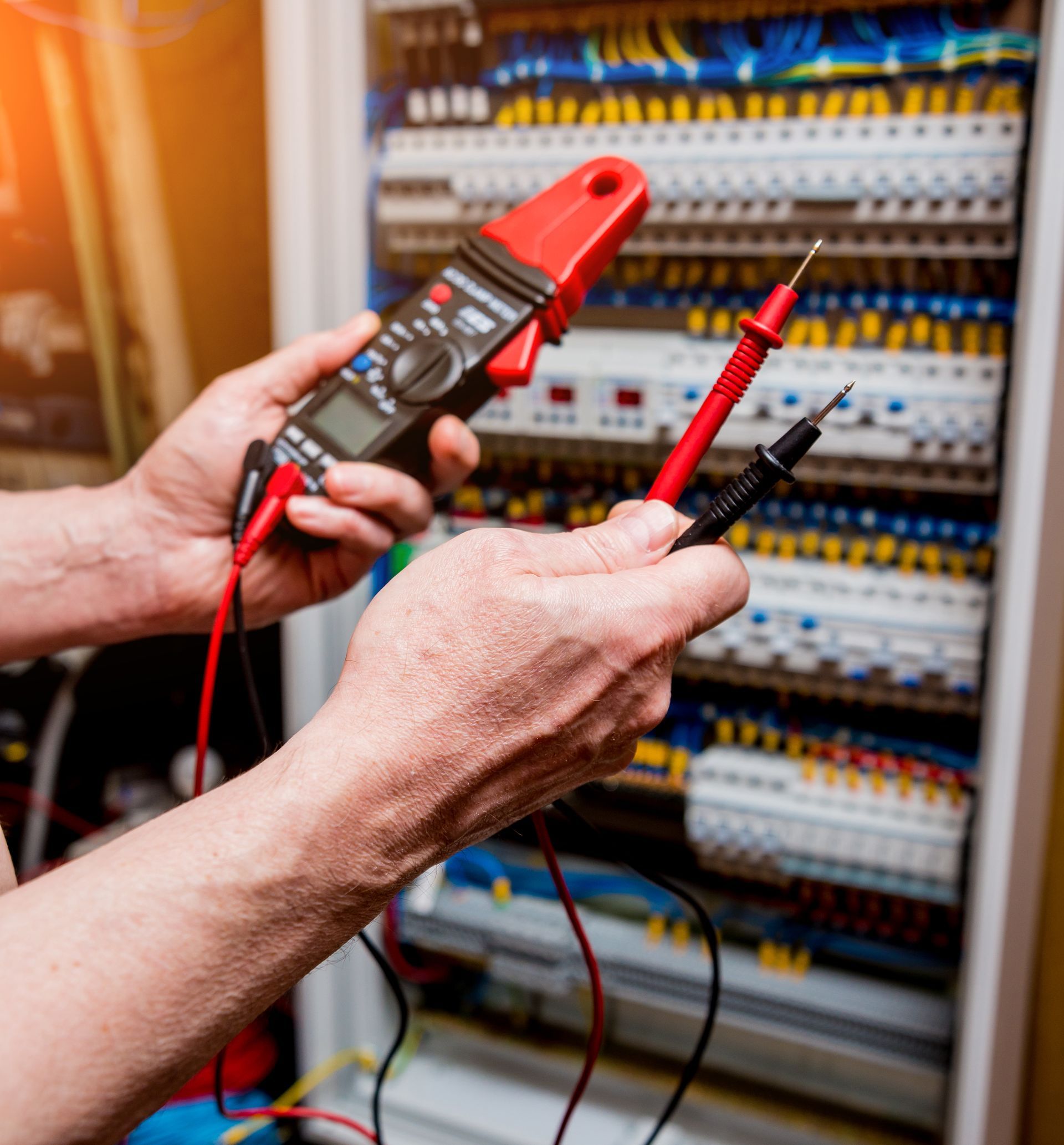
Summer storms, aging gear, and construction activity raise the odds of electrical incidents across Chicagoland. Facility and property managers need a fast, repeatable triage process that protects people, stabilizes the site, and routes the right help without delay.
Use this field guide to decide if you are in an electrical emergency, perform immediate make-safe steps, document what matters, and dispatch the correct responders in the correct order. Keep it handy during outages, water events, and repeated trips.
What qualifies as an electrical emergency
An electrical emergency exists when there is active hazard, credible fire risk, or critical operations impact. Treat the following as emergencies and escalate now:
- Arcing or sparking at gear, conductors, or terminations
- Burning odor, melting plastic smell, or visible smoke from panels, transformers, switchgear, receptacles, or lighting
- Water intrusion near energized equipment, including roof leaks, stormwater, sprinkler discharge, or condensation on enclosures
- Persistent main breaker trips or feeder trips that will not hold after a single safe reset, especially if life-safety or critical loads are affected
- Heat at panels or equipment that is hot to the touch, discoloration, or audible buzzing that is new or worsening
- Life-safety impact such as failed emergency egress lighting, fire pump feeds, medical or critical process loads
- Utility service issues with downed lines, damaged service mast, pulled meter, or utility-side arcing
If in doubt, treat it as an emergency. An electrical fault can be an emergency when it presents fire risk, shock risk, or stops life-safety or mission-critical systems.
Immediate make-safe actions
Protect people first, then equipment. Do not open energized gear. Do not perform unqualified repairs.
- Clear occupants from the hazard area. Establish a no-entry perimeter.
- Keep water away from energized equipment. Do not step in pooled water near electrical gear.
- If fire is present, pull the fire alarm and call 911. Use only a Class C-rated extinguisher if trained and safe to do so.
- If a single clearly identified branch circuit is faulting and you can safely isolate it at a labeled breaker without opening panels, do so. Do not force a breaker to hold.
- Do not reset a main breaker more than once. Repeated trips indicate a fault that requires diagnostics.
- If a roof or plumbing leak is active above gear, stop the water source if it is safe. Do not remove panel covers.
- Maintain power to life-safety systems unless a qualified person determines shutoff is safer. Prioritize egress lighting and fire alarm.
Who to call, in what order
Use this call path to avoid delays and misroutes.
- Life safety threat, smoke, or fire: Call 911.
- Downed lines, service drop damage, or utility-side arcing: Call the utility. In Chicago and most suburbs that is ComEd outage reporting. Keep people clear until utility makes safe.
- Building-side hazard, arcing in panels, water near energized gear, repeated main trips, or critical load failure: Call a licensed commercial emergency electrician with 24/7 response.
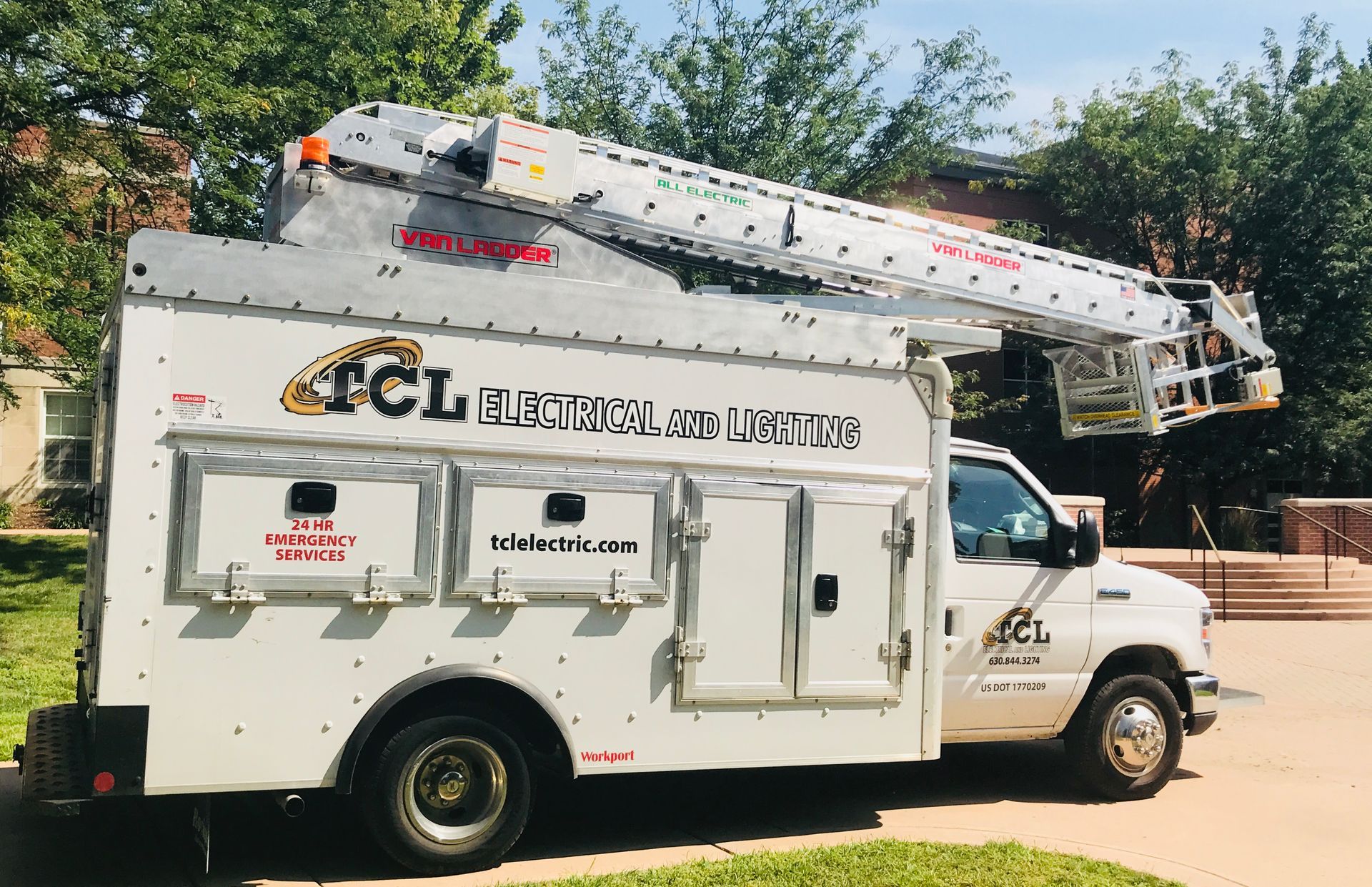
TCL Electrical & Lighting operates a 24/7 Emergency Response Team across the greater Chicago area. For rapid dispatch, call 630.844.3274. For regional entry points and planned work in the western suburbs, see the Naperville commercial electricians page and the Batavia 24/7 emergency electricians pathway for immediate help.
- Naperville area commercial response and scheduling: see the page for a 24/7 electrician in Naperville
- Batavia area urgent response, including lighting-related emergencies: see 24/7 emergency lighting repairs in Batavia
Triage decision tree
Follow this simple workflow.
- See, hear, or smell hazard? Yes, go to A. No, go to B. A) Active hazard present:
- Fire, heavy smoke, or downed lines: Call 911, then utility if lines are down, then 24/7 electrician.
- Arcing, burning odor, water near gear, main will not hold: Evacuate area, isolate only if safe, call 24/7 electrician.
- Life-safety systems affected: Maintain egress, post fire watch if required by policy, call 24/7 electrician.
B) No active hazard, but repeated trips or hotspots:
If a single branch trips once, document and schedule service.- If the same breaker trips again or a feeder/main trips, escalate to emergency response.
Documentation standards during an incident
Accurate records speed diagnostics and reduce downtime. Capture:
- Time, weather, and what triggered the event
- Exact equipment IDs (panel names, breaker numbers, location tags)
- What was running on the affected circuits (HVAC, pumps, IT, lighting)
- Photos of indicators and labels only, not inside energized gear
- Odors, sounds, visible arcing, discoloration, or moisture paths
- Actions taken (who, what, when), including resets attempted
Store notes with your panel schedules and single-line diagrams for follow-up service and compliance review.
When to escalate to 24/7 response
Escalate immediately if any of the following are true:
- Two or more warning signs appear together, such as odor plus heat, or moisture plus tripping
- Main or feeder trips recur after a single safe reset
- Any condition threatens people, security, or business-critical operations
- Water is present near energized equipment
- Life-safety systems are impaired
If the issue is isolated to a noncritical branch circuit that trips once and holds after a single reset, capture details and schedule maintenance within 24 to 72 hours.
After the incident: stabilize and prevent recurrence
Once the site is made safe and temporary power is in place as needed, close the loop:
- Root-cause diagnostics and corrective repairs
- Thermal scan and torque check for nearby terminations
- Update labeling, panel schedules, and single-line diagrams
- Add moisture controls where leaks occurred
- Enroll affected gear in preventive maintenance
TCL provides Electrical Maintenance programs that reduce nuisance trips and fire risk, and Project Consultation to plan compliant remediation. For facilities planning energy-first upgrades after an outage, see our guidance on design-build electrical in North Aurora for coordinated repairs and retrofit planning.
Printable checklist
Use this one-page sequence during events.
- Check for hazard: arcing, odor, smoke, water, heat, downed lines, or life-safety impact.
- Protect people: clear area, control access, avoid water near gear.
- Call path: 911 for fire, utility for downed lines, 24/7 commercial electrician for building-side hazards.
- Isolate if safe: one labeled breaker only, no panel covers, no forced resets.
- Preserve life safety: keep egress lit, start a fire watch if policy requires.
- Document: time, weather, equipment IDs, loads, observations, photos, actions.
- Handoff: brief the arriving electrician with notes and photos.
- Preventive follow-up: schedule diagnostics, repairs, testing, and maintenance.
FAQ
- What counts as an electrical emergency? Events with arcing, smoke, burning odor, water near energized gear, repeated main or feeder trips, or any impact to life-safety or critical operations.
- Is an electrical fault an emergency? Yes when it presents fire or shock risk, trips main or feeder protection, or disables critical loads.
- When should I call an emergency electrician? Immediately for arcing, burning odor, smoke, water near gear, or any trip that will not hold after one safe reset.
- Who should I call if there is no electricity? If the outage appears utility-side or widespread, call the utility first. If building-side or localized to your facility, call a 24/7 commercial electrician.
- What should I do first in an electrical emergency? Protect people, keep clear of energized equipment and water, call 911 if there is fire, then dispatch a qualified 24/7 electrician.
Summary and next step
Electrical triage is about speed, order, and documentation. Confirm hazard, protect people, call the right party, isolate only if safe, and record what you see. For 24/7 Emergency Response and Rapid Restoration in Chicagoland, call 630.844.3274. For planned remediation and prevention, schedule Electrical Maintenance or request Project Consultation. For regional access in the western suburbs, you can start on the Naperville commercial electricians page or the Batavia 24/7 emergency electricians page for immediate routing.